
|
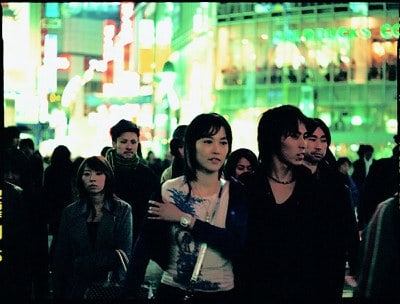
Production on BABEL began in Morocco in May of 2005, then moved on to Mexico and Tokyo. In Morocco, the key was finding a location to stand in for a small, tight-knit enclave in the southern desert. Iñárritu found the remote Berber village of Taguenzalt. Located in the foothills of the Atlas Mountains, the village, built into the rocky gorges of the Draa Valley, boasts ancient, adobe-style houses with rooms facing around an inner courtyard. “I liked that this village was very humble and very real,” comments Iñárritu. “The people in Taguenzalt were extremely nice and spiritual. And I mean really spiritual. I felt safe there.”  Despite the warm hospitality of the people, the conditions in Morocco could be daunting. Temperatures often soared to 98 degrees, with afternoon windstorms whipping up sands from the southern Sahara. Yet the discomfort only added to the gritty realism of BABEL. “The heat was brutal and uncomfortable, but it’s precisely what this story is about. This was not only method acting but method execution, says Iñárritu. After Morocco, production hopped back to Tijuana, Mexico, where once again, in parallel with the fiction, the production found themselves in a dusty, sweltering desert and a tiny, secluded village. Here the rural, Norteno town of El Carrizo stood in for Amelia’s ramshackle home in the “Los Lobos” hamlet. Key sequences were also shot along the border between Mexico and California, where Iñárritu captures the view from the Mexican side – with its extensive fencing, surveillance cameras, mega-watt stadium lighting and armed guards creating a fortress-like atmosphere. “Five people were in the hospital in the Sonoran desert. Adriana Barraza almost suffered from heat stroke on set. It wasn’t easy,” says the director. Finally, Iñárritu and his crew arrived in Tokyo, which despite being the only urban setting in the film was rife with its own challenges. “Tokyo was both a wonderful experience and a difficult one,” states Iñárritu. “Things work slowly there and there’s no film commission to help you through. There’s no permission to shoot anything, so you are always escaping from the police at every corner. We had to be brave and work like a guerilla-style crew, ready to improvise, moving fast.” Every phase in the making of BABEL, both mirrored the situations endured by the characters, and transformed the fictional story by effect of new learnings on cultural clashes. Everyday, I was adjusting and adapting the script, depending on how the culture struck me, he says. If the film molded reality or the other way around, it’s better left there for the audiences to guess. |